OFFSHORE WIND • BIODIVERSITY MONITORING
Ecowende: Monitoring Fish Around Water Replenishment Holes in Offshore Wind Turbine Foundations
4
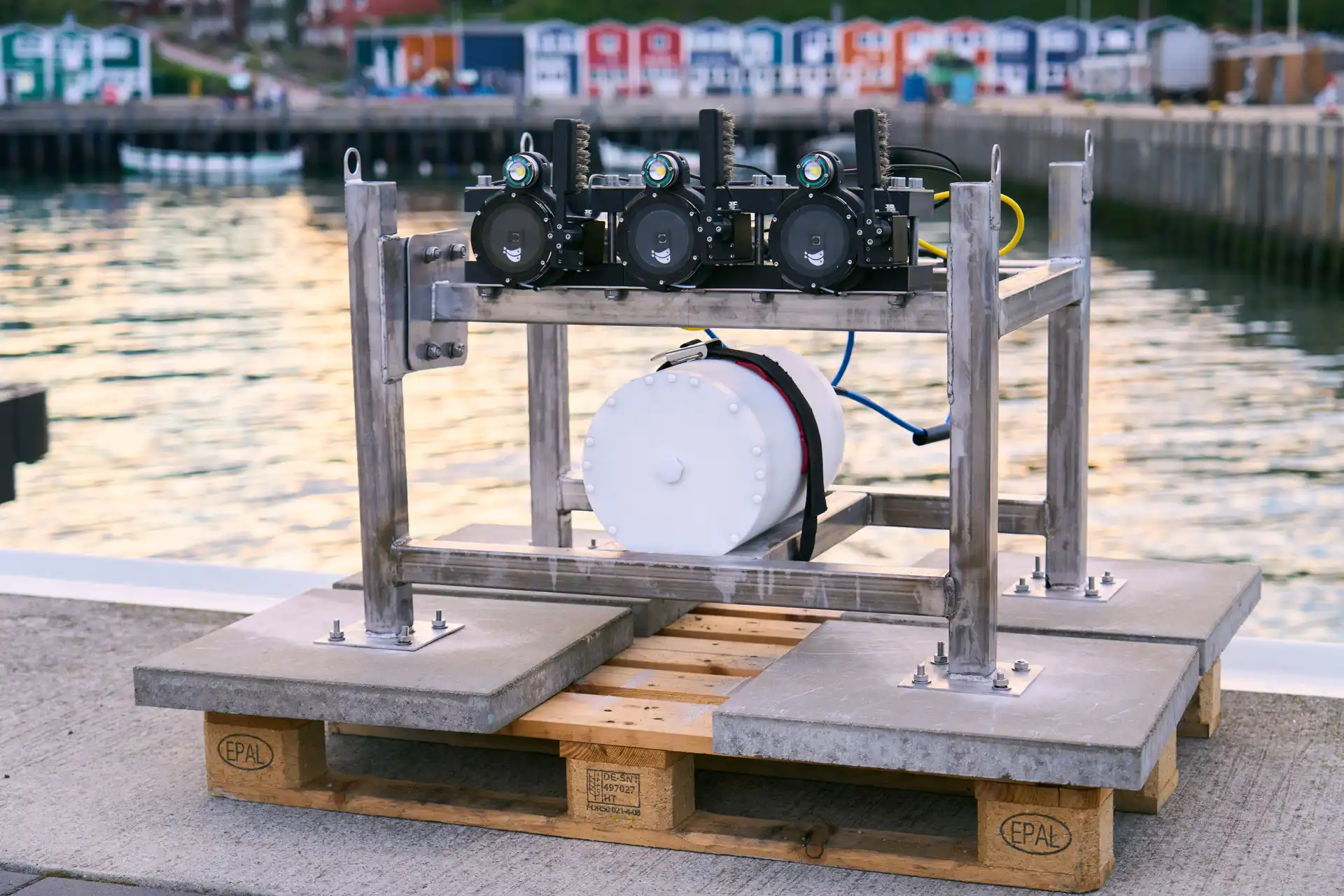
Unique cameras for monopiles

The Project
Understanding how fish interact with new reef structures
The Ecowende project explores how offshore wind infrastructure can be designed with nature in mind.
At Hollandse Kust West, water replenishment holes and additional openings in selected turbine foundations are being studied as part of Ecowende’s nature-inclusive approach to offshore wind. Anemo Robotics supports the project with continuous visual monitoring, helping document how fish interact with these structures over time.
Using AnemoCam and AnemoAI, the setup turns underwater activity into usable visual data for researchers and project partners.
The Challenge
How do fish interact with offshore wind structures?
Offshore wind farms are rapidly expanding across the North Sea and around the world. While essential for the transition to renewable energy,their impact on marine ecosystems and fish habitats is still not fully understood.
Wind turbines stand on large steel foundations - monopiles. These structures change the underwater environment, creating new surfaces and cavities that marine life may use. However, understanding how fish actually interact with these structures remains difficult.
Traditional monitoring methods, such as diver observations or ship-based surveys, provide only brief snapshots of underwater ecosystems. They often miss the day-to-day dynamics of marine life and rarely capture behaviour over longer periods.
At the same time, offshore wind developers are beginning to explore nature-inclusive design (NID): innovations that not only minimise environmental impact but actively support biodiversity.
One of these ideas is surprisingly simple: creating openings in the monopile that fish can use as shelter.
But do fish actually use them?
To answer that question, researchers need something that has historically been very difficult offshore: long-term monitoring of marine life directly at the structure itself.
The Solution
Turning offshore wind turbines into observation points
Within the Ecowende project, Anemo Robotics provides a monitoring system designed to observe marine life directly at the entrance of the selected monopile openings.
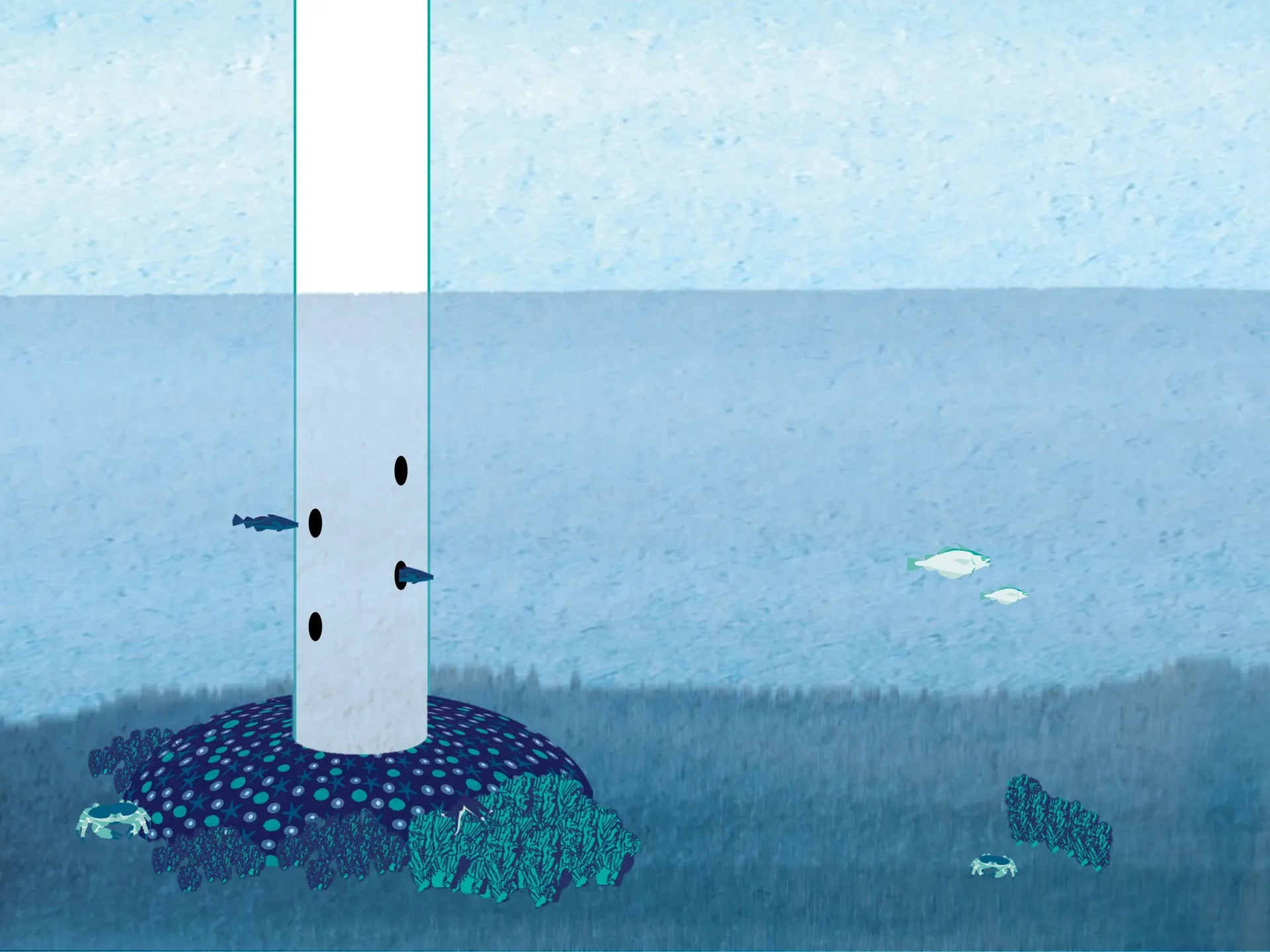
Water replenishment holes are part of monopile design and support functions including water exchange. These openings are located approximately 2–4 metres above the seabed. At four turbine foundations, Ecowende is investigating the conditions around these openings and whether fish use the interior of the monopiles as shelter.
To monitor how fish interact with these structures, AnemoCam underwater cameras are installed directly inside the water replenishment holes. The cameras continuously observe activity at the entrance of the structure, capturing how fish approach, explore, and potentially use the interior of the monopile as refuge.
Unlike short survey campaigns, this approach allows researchers to observe marine life continuously and non-invasively, providing a much richer picture of how ecosystems interact with offshore wind infrastructure. Patterns that would otherwise remain invisible can be discovered: when fish approach the structure, how frequently they enter, diel activity patterns and whether the monopile interior becomes a refuge for marine species.
Outcomes
From video footage to ecological insight
Continuous monitoring generates large volumes of underwater video, creating new opportunities to understand marine ecosystems in detail. To turn this data into useful insights, Anemo Robotics combines its camera systems with AI-based image analysis.
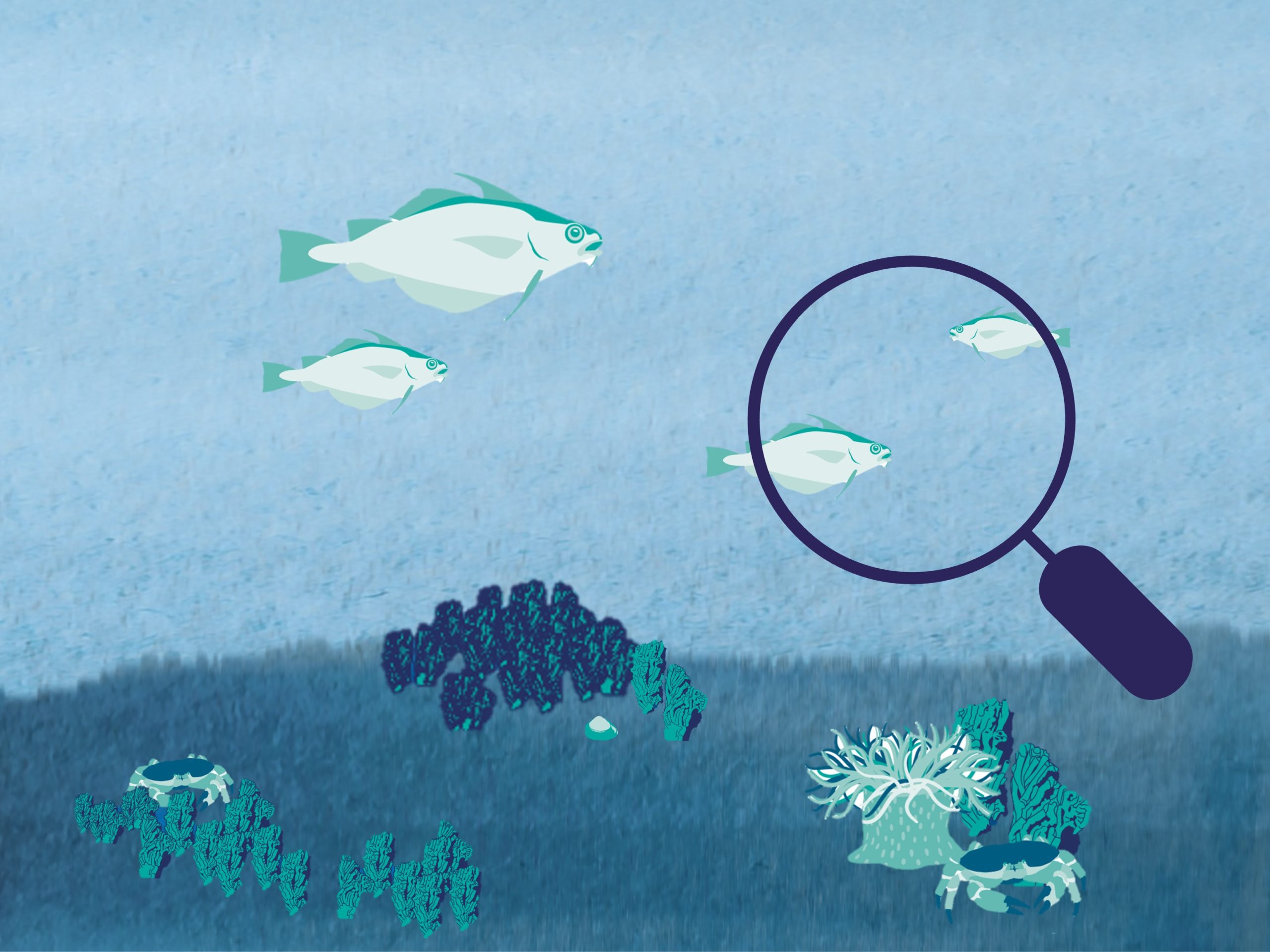
Using AnemoAI, a multi-class object detection algorithm automatically identifies marine species appearing in the footage. These detections are then used to derive behavioural patterns, such as movement, habitat use, and temporal activity. By aggregating observations over time, the system can generate spatial and behavioural heatmaps, highlighting where and when fish interact with offshore structures.
To ensure high data quality, all automated detections are reviewed through a human-in-the-loop workflow, where marine biology experts validate and refine the results.
This combination of artificial intelligence and expert validation transforms raw video footage into structured ecological datasets, enabling researchers to analyse species presence, behaviour, and habitat use at scale.
Together with other monitoring methods used in the Ecowende programme, including telemetry, abiotic monitoring, baited cameras, and environmental DNA, these insights help scientists evaluate whether nature-inclusive offshore wind innovations truly support marine biodiversity.
Why this matters
Designing offshore wind with nature in mind
Offshore wind will play a key role in the global energy transition. At the same time, there is growing interest in designing offshore infrastructure that works with marine ecosystems rather than simply avoiding harm.
Projects like Ecowende represent an important step in that direction. By testing new design concepts and combining them with advanced monitoring technologies, researchers can better understand how offshore wind farms interact with marine life.
For Anemo Robotics, the project demonstrates how continuous underwater monitoring and AI-based analysis can provide the detailed ecological insights needed to support sustainable offshore development.
Looking ahead
The monitoring programme will continue throughout the operational phase of the wind farm, generating long-term datasets on fish behaviour and habitat use.
As Ecowende moves toward operation by the end of 2026, observations around the water replenishment holes can help connect nature-inclusive design (NID) concepts to measurable, long-term ecological evidence, supporting future offshore wind developments that aim to work in harmony with nature.