ARTIFICIAL REEF MONITORING · COASTAL RESTORATION
MOSAR: 12 Month Continuous AI Monitoring Revealed an 8× Increase in Fish Around Artificial Reefs
2.6 M
Detections processed from 864h of footage
2 500 h
Human work hours saved with AI models

The Challenge
Snapshot Monitoring Fails Reef Science
Most reef programmes run into the same issue: monitoring is too limited to show what is really happening. Short diver surveys and occasional drop-camera checks provide only quick snapshots. Without matched control sites, it is also hard to tell whether differences are caused by the reef or by normal background variation. Seasonal change, day and night behaviour, and rare species can easily be missed simply because the sites are not observed often enough.
MOSAR was built around one focused question: do these reef modules measurably increase marine life, and can we prove it with data?
The Solution
Control vs. Impact: Scientific Approach to Reef Monitoring
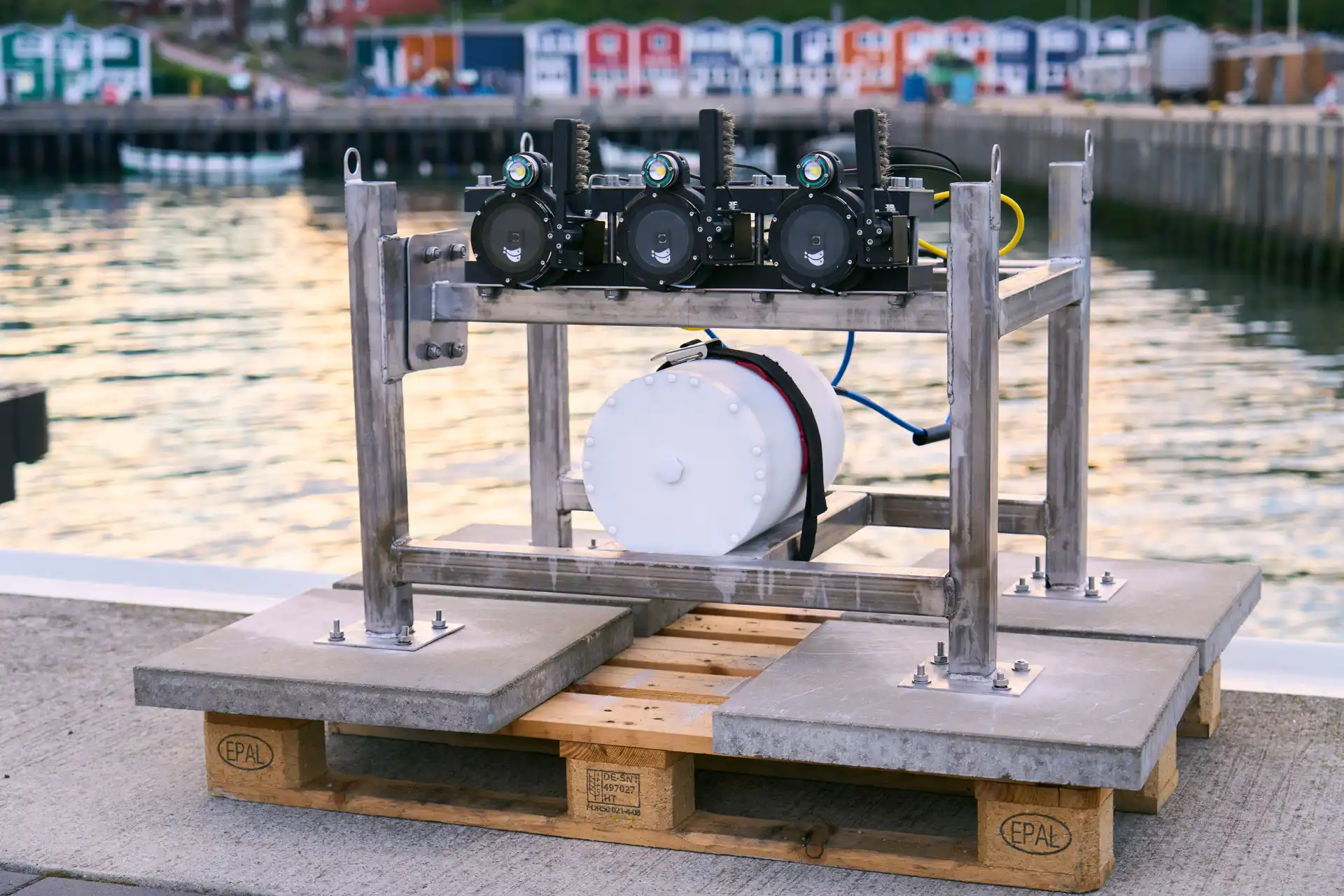
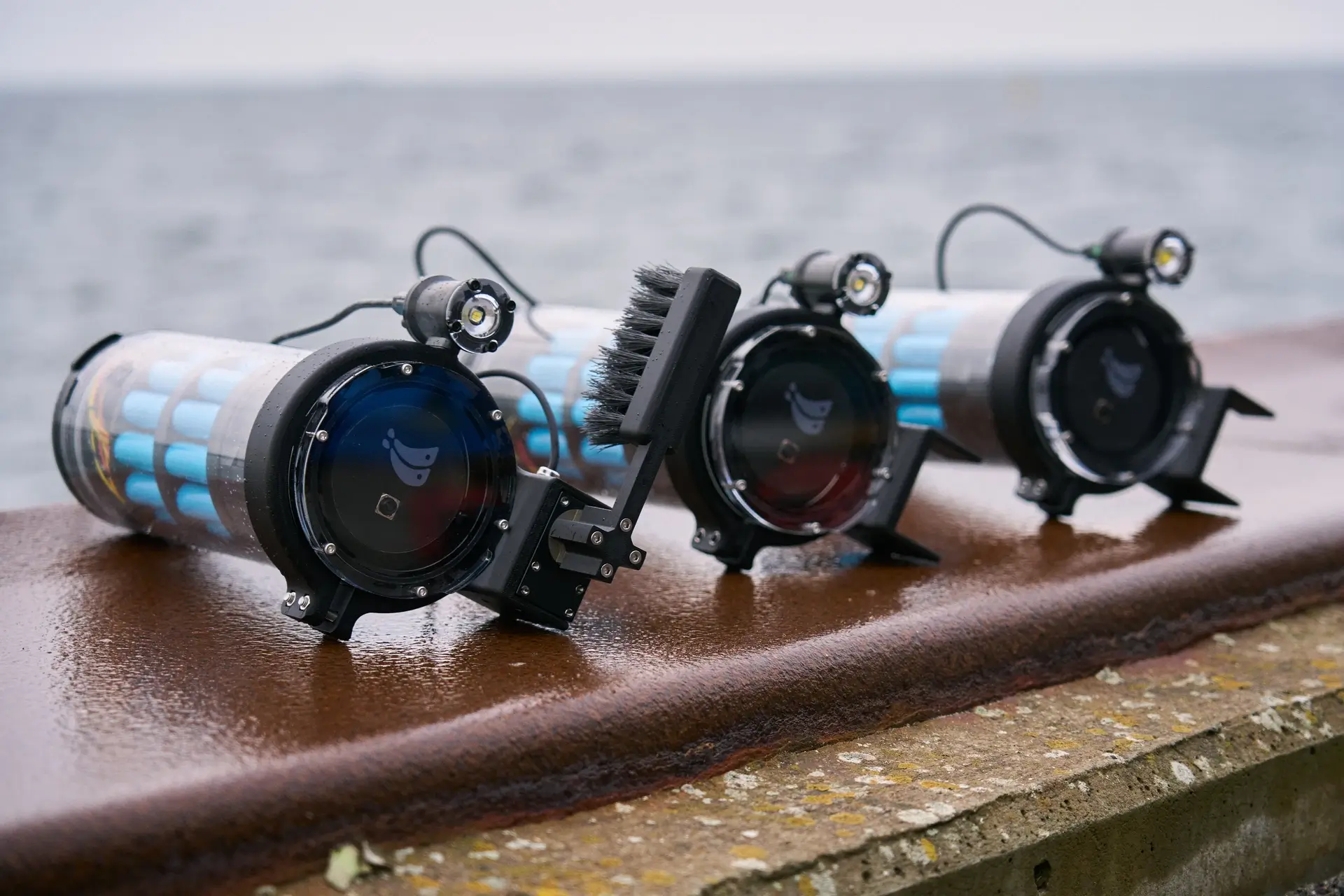
To move beyond snapshot monitoring, MOSAR used a control vs. impact design method. Six AnemoCam battery-powered cameras were deployed in two groups: three at reef sites and three at control sites. Both groups ran continuously for 12 months, capturing 864 hours of footage across seasons and shifting light conditions, revieling full range of species behaviour that short survey campaigns simply never see.
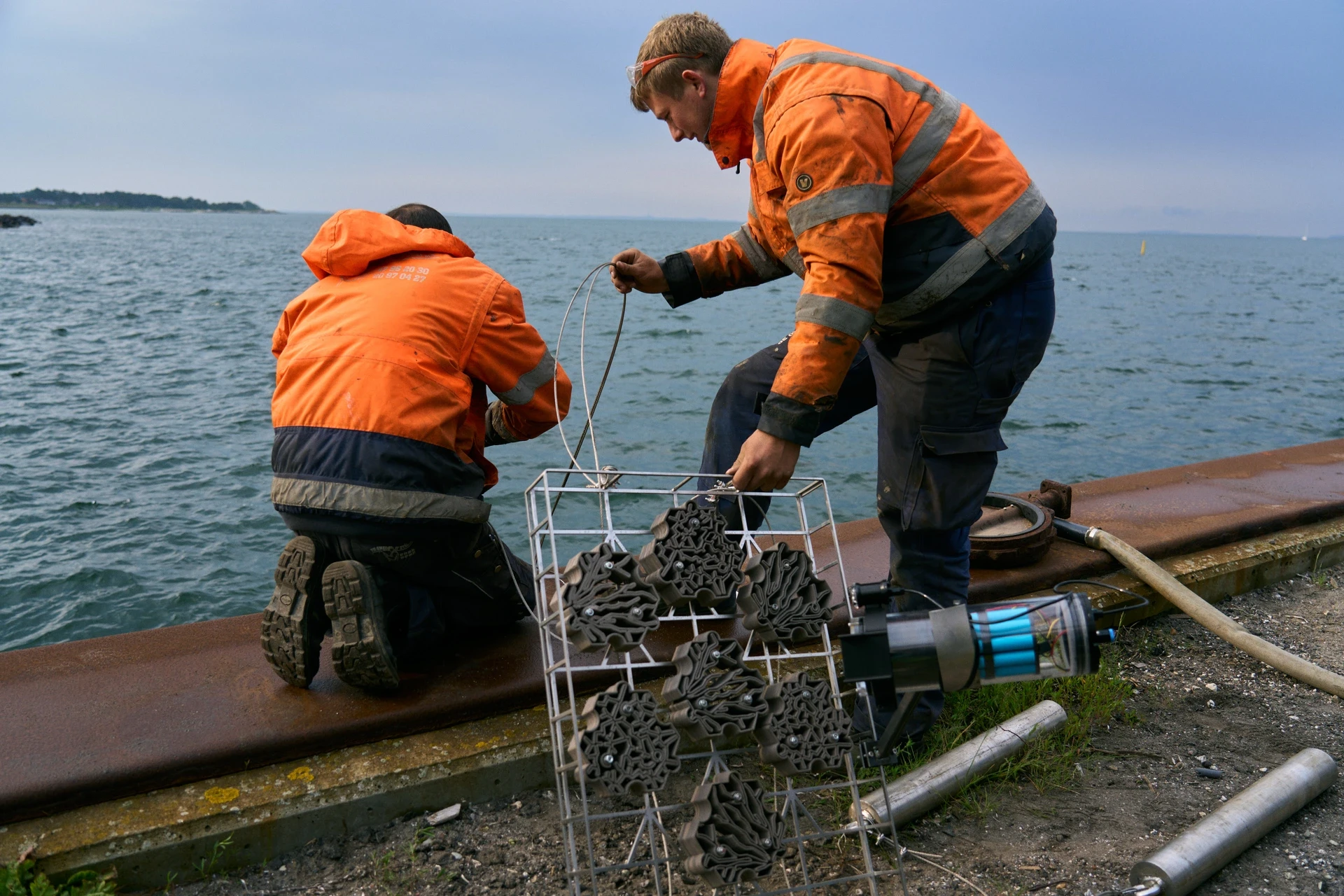
The reef structures were supplied by ReefCircular, including modular wall reef and bottom reef designs. DTU Aqua provided scientific input on study design, ecological analysis, and interpretation of results.
Monitoring Approach & Setup
The system was deployed at ~8m depth in Danish coastal conditions (5–15°C), operating year-round with minimal intervention.
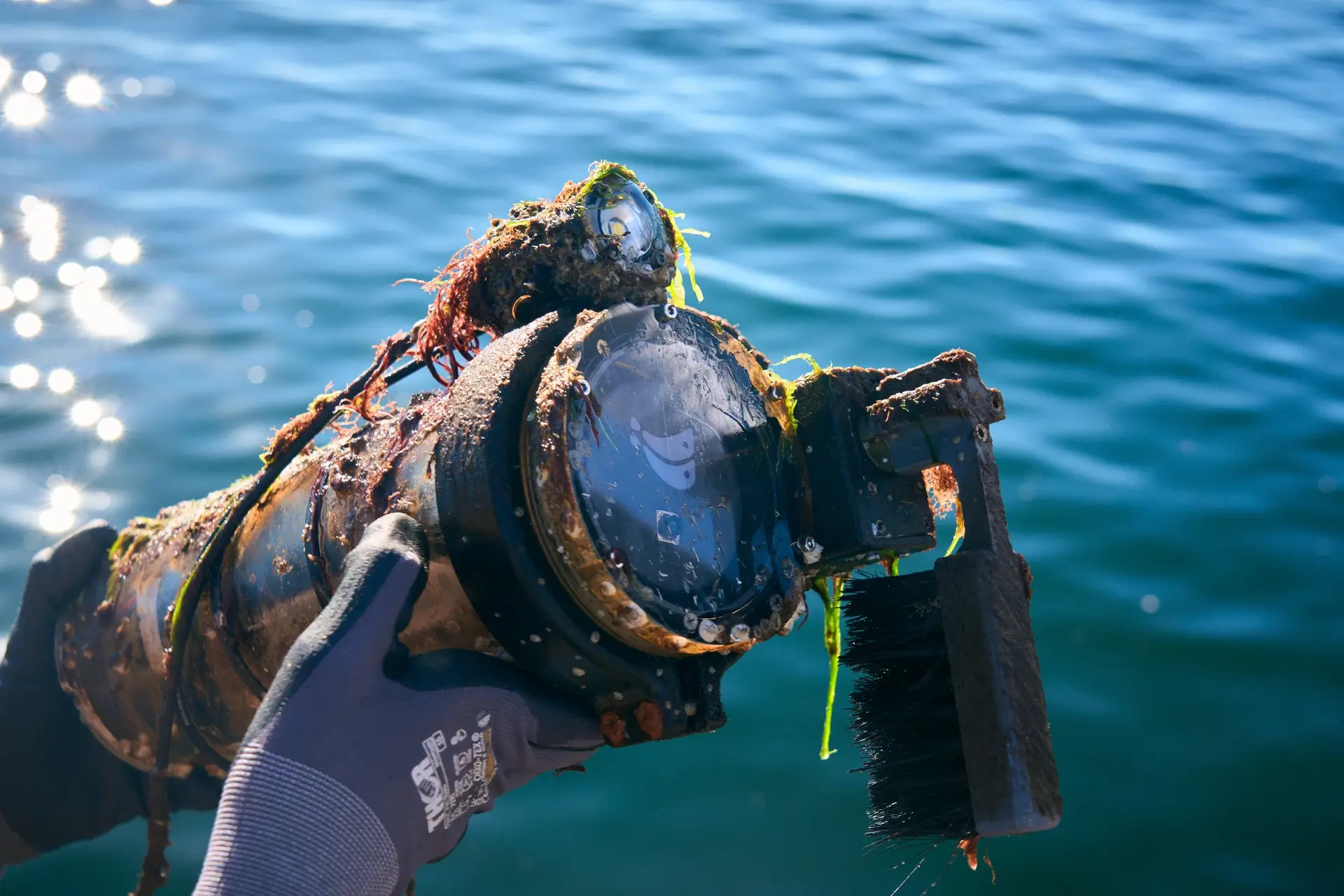
Cameras were equipped with integrated biofouling wipers and scheduled lighting around sunrise and sunset to maintain image quality and capture peak activity periods.
Design choice | Why it matters |
|---|---|
60-second clips every 30 minutes | Enough temporal resolution to capture patterns without extensive data volumes |
Anti-biofouling wiper system | Prevents biofouling from affecting image quality for long-term deployments |
Red-light illumination around dusk and dawn | Captures crepuscular activity, the busiest period for most fish species that daytime-only monitoring misses entirely |
Monthly battery swaps | Predictable operational cost with uninterrupted observation |
From Video Footage to Ecological Insights
12 months of continuous monitoring across six cameras generated more data than manual review could handle.
AnemoAI was used to process the footage while keeping marine biologists involved in every step. Experts first annotated raw footage to train a multi-class detection model covering 18 species. The model was continuously improved as more data was collected.
After six months, the system had processed 2.1 million detections, reaching 86% average accuracy and over 95% for the most common species.
Outputs included activity patterns, habitat-use indicators, spatial heatmaps, and biodiversity indices. All detections were reviewed through a human-in-the-loop workflow to ensure reliability.
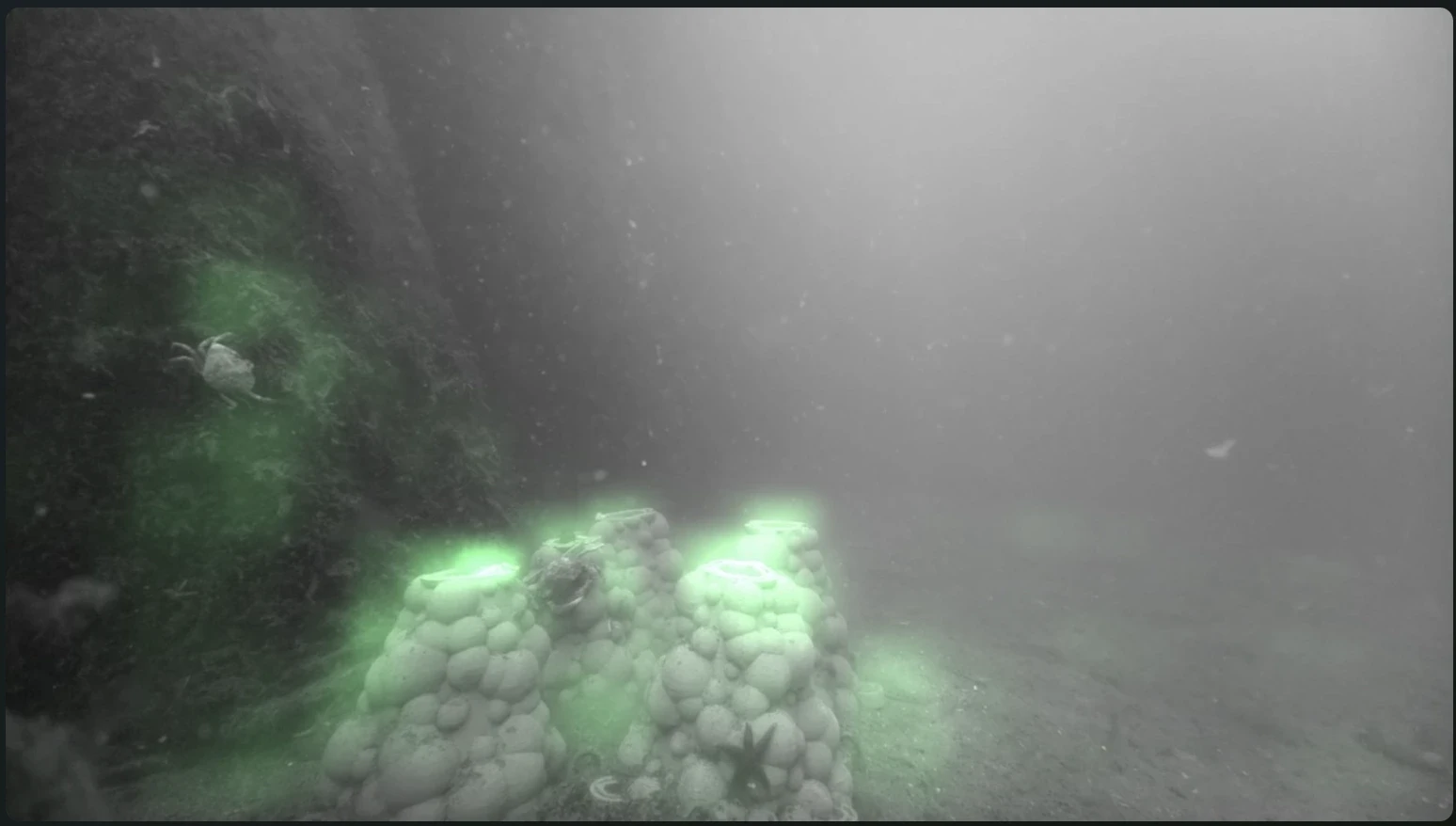
Spatial Heatmap of C. Maenas (crab)
Outcomes
Artificial Reefs Attracted 8x More Activity
MOSAR was designed with matched control sites from the start, the results are directly comparable. Early analysis from the first monitoring phase showed clear, measurable differences between sites: 8x more detections, 400% increase in fish abundance, and a 200% increase in species diversity across 18 mobile species detected.
The continuous dataset also revealed day–night and seasonal patterns, including species-specific behaviors and structure preferences. This level of detail turns ecological data into evidence that can guide future reef design and placement.
Why this matters
From Monitoring to Decision-Making
The MOSAR project shows what becomes possible when monitoring and data analysis are built into project design from the start. The control vs. impact setup, combined with clear visual reporting, makes results directly usable for funders, regulators, and developers.
To handle the scale of continuous monitoring, AI is used to reduce manual review and enable deployment across more sites without significant cost increases. This also creates a feedback loop to improve future reef design
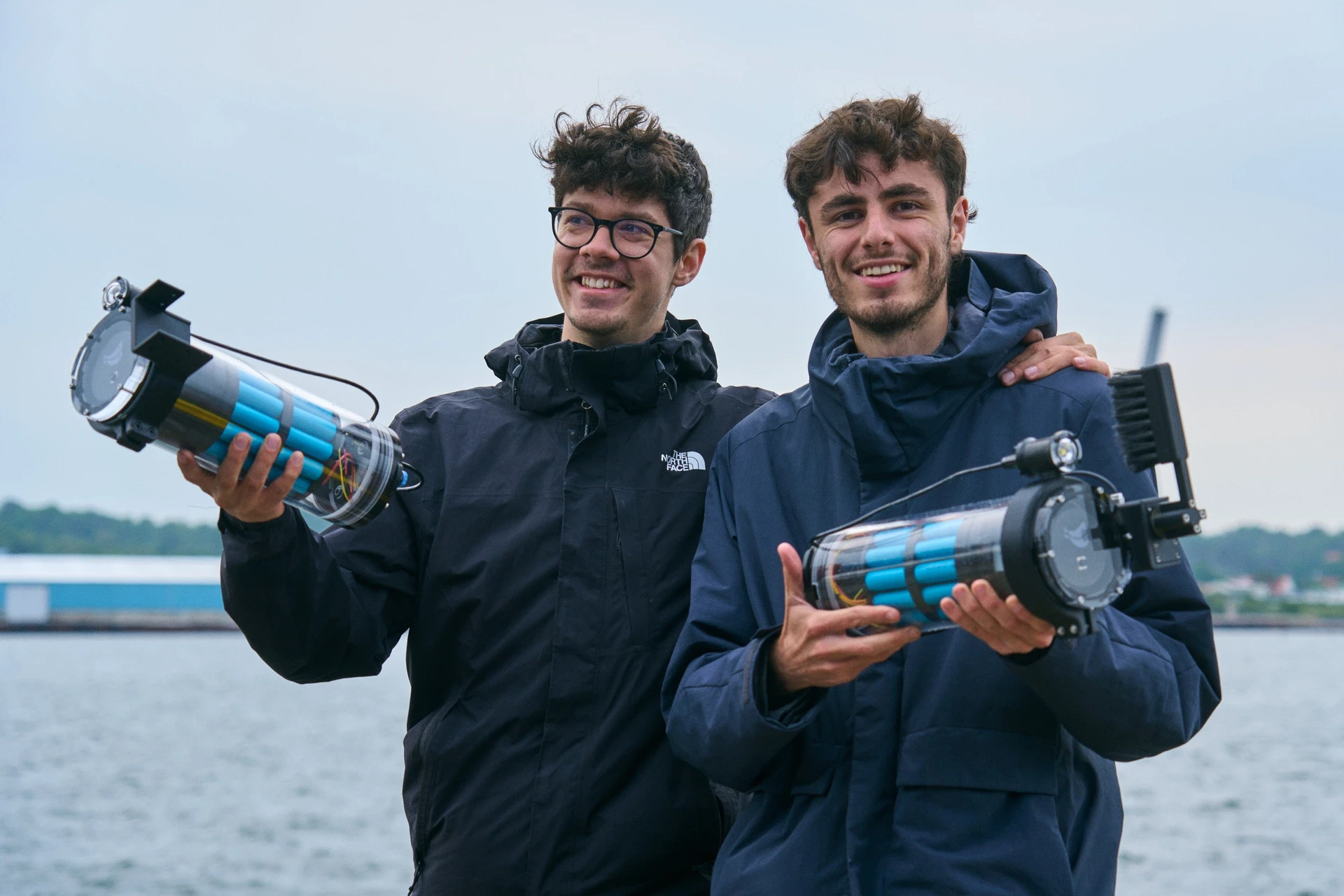
Partners and Roles
ReefCircular — Reef module design and materials, including waste-shell based modular concepts
DTU Aqua — Scientific support: study design, ecological analysis, and expert interpretation
Anemo Robotics — Long-term monitoring with AnemoCam + AI-assisted analysis workflows
Dansk Industri / Karl Pedersen og Hustrus Industrifond — Programme sponsor