ARTIFICIAL REEF MONITORING · TROPICAL BIODIVERSITY · AI-ENABLED SPECIES COMPARISON
Van Oord Ocean Health x Anemo: What Maldivian Reef Fish Actually Do Captured Across 250,000 Frames
2.7M+
fish detections processed by AnemoAI
50
unique species detected at peak diversity site


The Project
Understanding how fish interact with new reef structures
This monitoring pilot is part of Van Oord Ocean Health’s broader multi-year impact monitoring efforts to value marine ecosystem restoration. It focused on comparing fish species composition and activity patterns around artificial reef structures against a natural reef reference site in the Maldives.
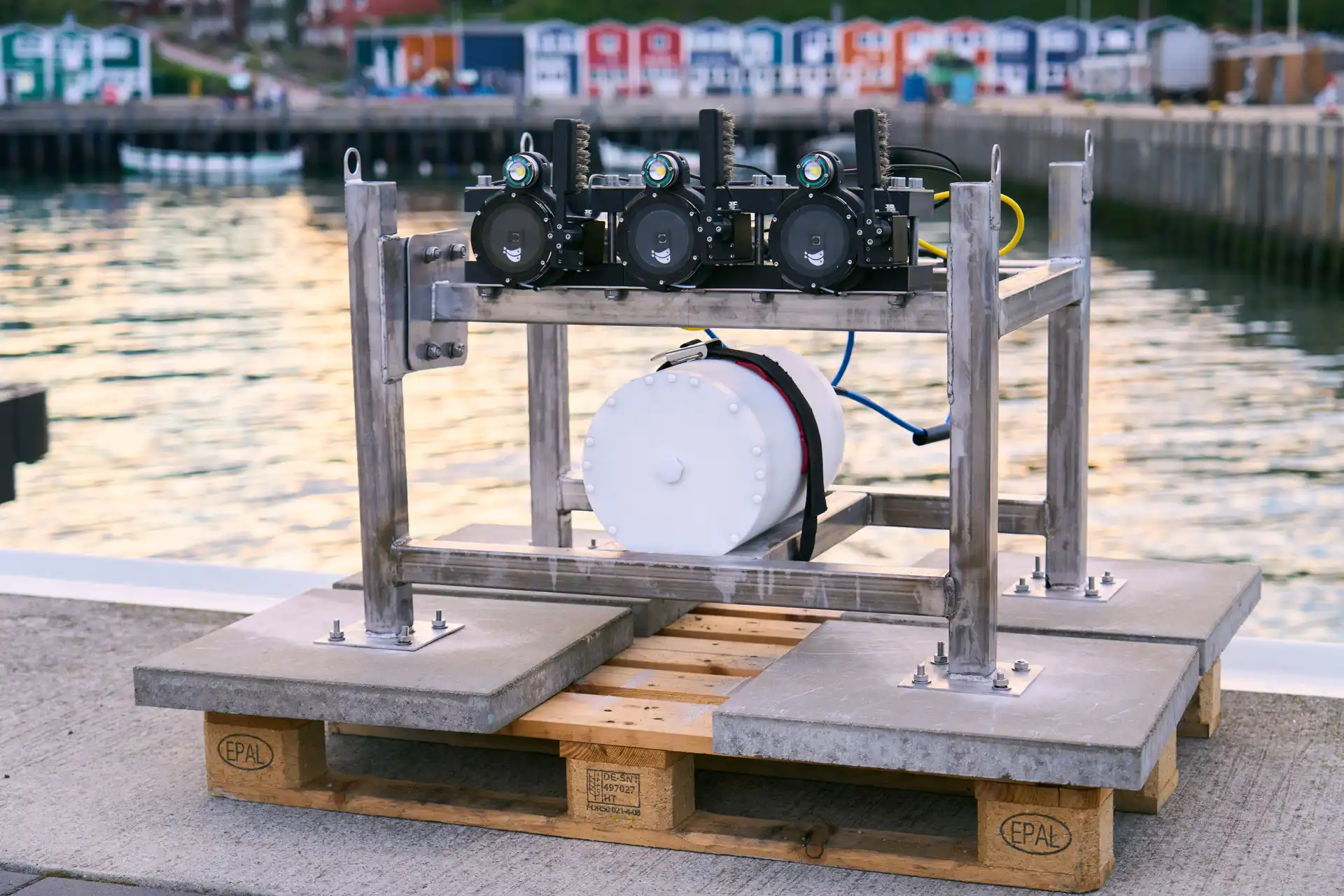
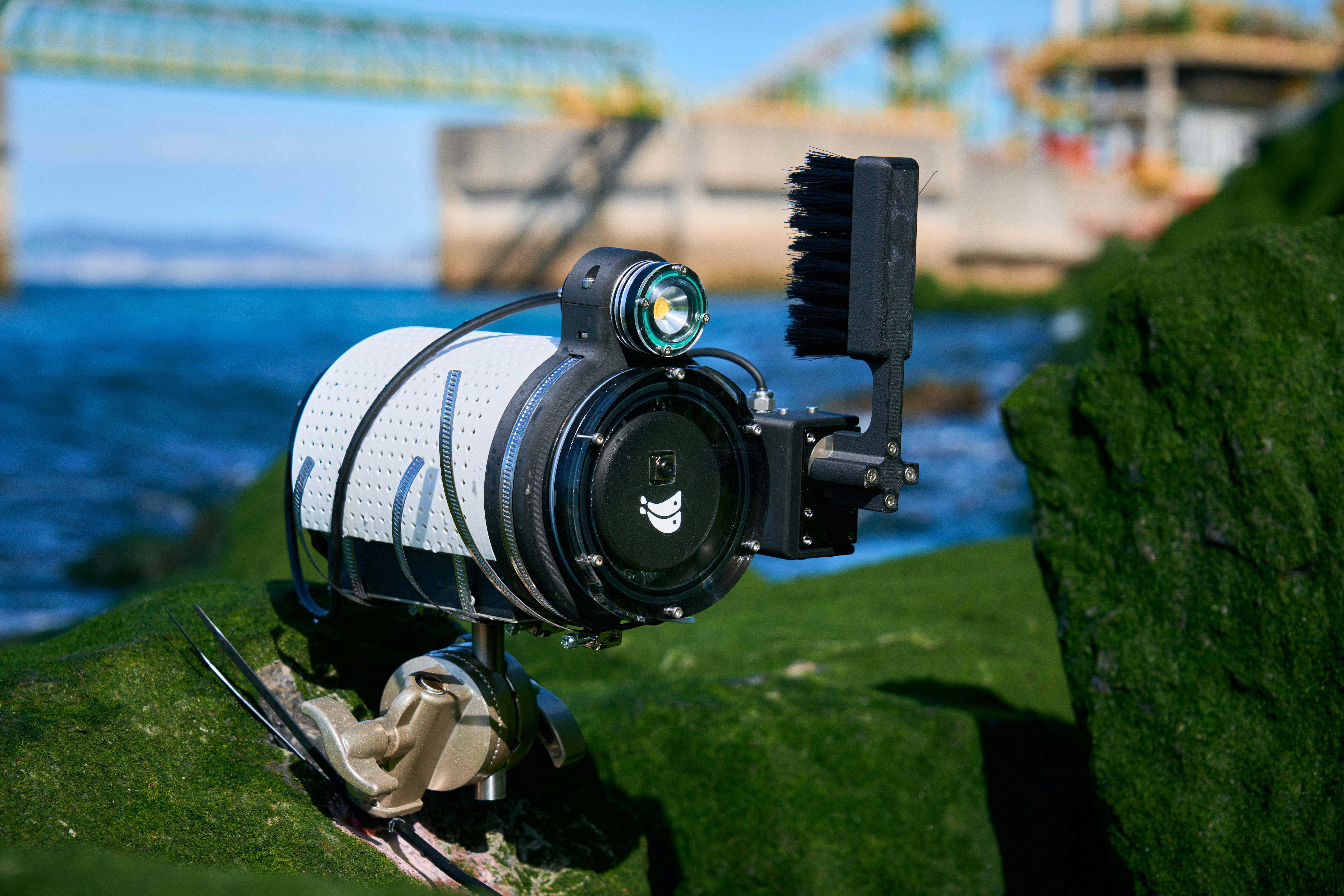
Anemo Robotics provided seven AnemoCams, which were installed as Unbaited Remote Underwater Video Systems (UBRUVS) across multiple reef sites. Van Oord carried out the underwater deployment of the systems, while Anemo Robotics processed the footage through AnemoAI to turn large volumes of high-resolution tropical video into structured biodiversity data. The resulting dataset captures the presence, diversity and activity (habitat use) of fish communities in exceptional detail. Crystal-clear tropical waters and high natural fish diversity make this footage distinct from typical European monitoring contexts, revealing more species, stronger light conditions, and richer behavioural patterns in every frame.
The Challenge
Reef performance is hard to measure without scale
Artificial reefs are widely used to add habitat complexity and support marine life. But demonstrating how fish use these structures requires not only identifying which species are present, but also understanding how they use the habitat (e.g. sheltering, passing, aggregation) and how this differs from natural reefs.
Fish behaviour shifts with time of day, site exposure, and structure type in ways that occasional surveys miss entirely. The objective of Van Oord was to compare species composition and activity patterns of mobile reef species between restoration sites with artificial reef structures and natural reef habitats without artificial structures, using evidence that is consistent, repeatable, and free from bait-driven bias.
The Solution
Unbaited AnemoCams across seven sites, processed at scale
Seven UBRUVS camera systems were deployed, six nearby artificial reef structures at three different restoration sites, and one at a natural reef reference site, capturing footage without bait, presence of divers, or other distrubance to normal fish behaviour.
The footage was processed using AnemoAI, trained on approximately 3,000 manually annotated frames from the site to adapt the model to Maldivian species and tropical optical conditions. That initial training set then powered inference across ~250,000 frames, which equals to two orders of magnitude more data than a manual review alone could produce.
Monitoring approach & setup
Design choice | Why it matters |
|---|---|
Unbaited RUVS (no attractant) | Detections reflect genuine habitat use, not a feeding response |
7 simultaneous deployments | All sites observed in parallel, no temporal variation between comparisons |
Site-specific AI training (~3,000 annotated frames) | Model fine tuned to Maldivian species, light, and water conditions |
Full inference dataset (~250,000 frames) | Rare events and temporal patterns become visible |
Heatmap and diel pattern outputs | Spatial and temporal insights, not just species lists |
Outcomes
Artificial and natural reefs support different fish communities
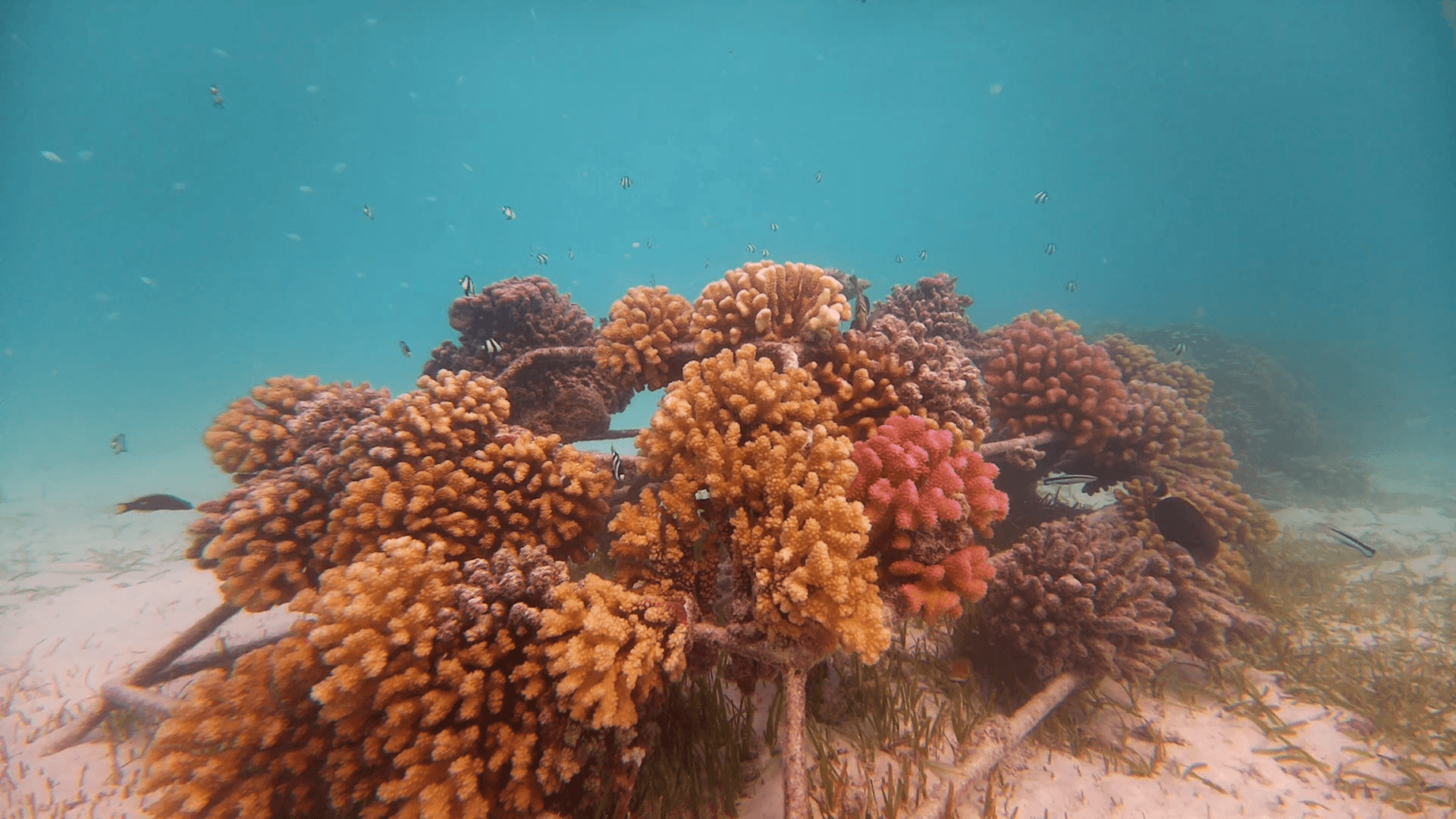
The comparison revealed clear differences in species composition and how fish used the monitored habitats across sites. Larger species, including surgeonfish, sharks, and sweetlips, were observed more frequently at the natural reef reference site. In contrast, the artificial reef structures attracted higher numbers of smaller reef-associated species such as damselfish, angelfish, butterflyfish, and juvenile fish.
The natural reef recorded the highest species diversity, with 50 unique species detected at high confidence. The most active artificial reef site generated the highest overall detection counts, although observations were dominated by a smaller number of species, particularly Black-Tailed Dascyllus.
Together, the findings point to a shared outcome: both the natural reef and the artificial structures attract marine life and provide shelter for fish. The patterns differ in rhythm and dominant species, but the underlying behaviour is the same. Both reefs are actively used, not passed by. A longer deployment would extend this into seasonal patterns and head-to-head comparisons between reef designs.
More data changed the story
One of the most interesting findings emerged from the scale of the dataset itself.
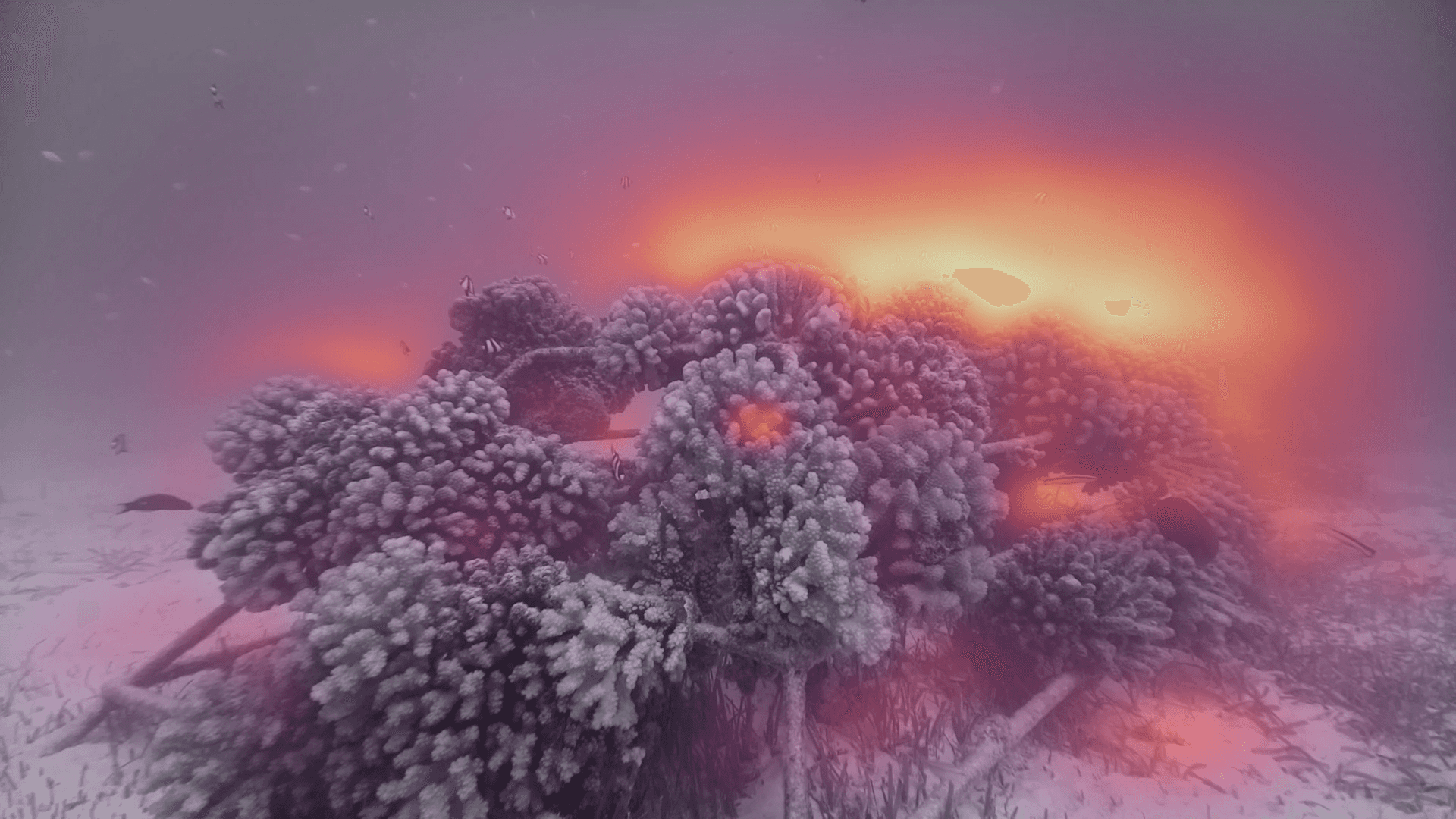
Initial observations based on approximately 3,000 manually annotated frames suggested that fish activity was concentrated above the artificial reef structures. Once analysis was expanded to the full dataset of roughly 250,000 frames, a different pattern became visible. Fish were frequently detected within and around the structures, indicating more extensive habitat use than initially assumed.
This highlights a common challenge in marine monitoring: conclusions drawn from small samples can change substantially when observations are scaled over longer time periods. Continuous monitoring provided a more complete picture of how fish interacted with the reef structures throughout the day and across different environmental conditions.
Activity patterns revealed how the reefs were being used
The monitoring also captured clear differences in daily activity patterns between sites.
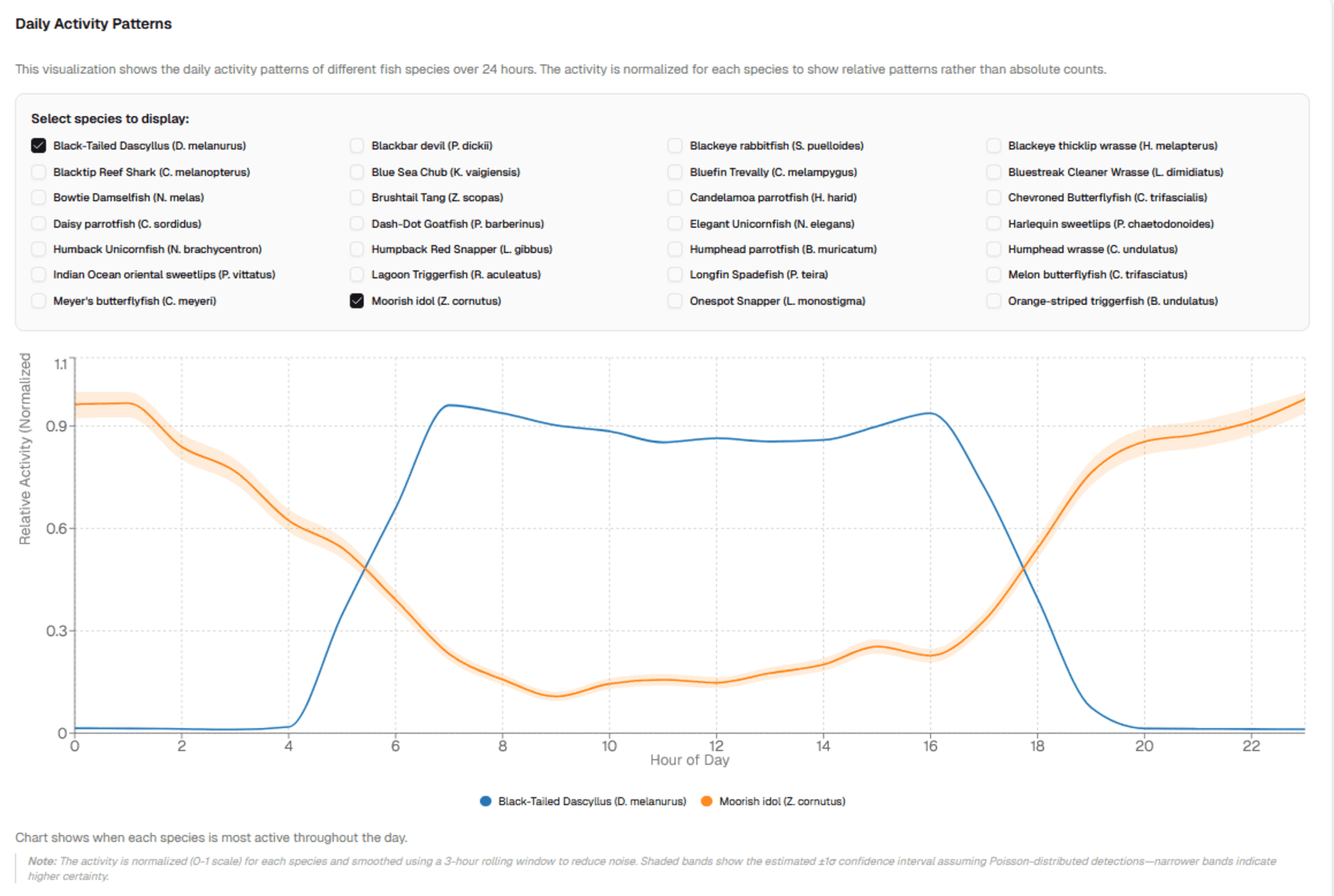
The natural reef showed activity throughout the day and night, including periods of elevated nocturnal activity consistent with resident reef species seeking shelter. In contrast, the most active artificial reef site displayed a pronounced daytime cycle, with activity increasing after sunrise and declining rapidly after sunset.
These patterns provide additional insight into how different fish communities interact with natural and artificial habitats, moving beyond simple species counts to reveal behaviour and habitat use over time.
Building evidence for nature-inclusive marine infrastructure
For reef restoration projects, biodiversity enhancement initiatives, and nature-inclusive marine infrastructure, understanding whether a structure is actually being used by marine life is often just as important as installing it.
This project demonstrates how long-term underwater monitoring combined with AI analysis can move assessments beyond snapshots and assumptions. By processing hundreds of thousands of observations, the approach provides quantitative evidence of habitat use, species composition, and behavioural patterns that would be difficult to capture through periodic surveys alone.
As marine developers, contractors, and asset owners increasingly seek to demonstrate environmental performance, this type of monitoring provides a scalable way to evaluate biodiversity outcomes and generate the evidence needed to guide future design decisions.
Partners and Roles
Van Oord Ocean Health: Client; leading long-term impact monitoring of marine ecosystem restoration
Anemo Robotics: Provision of UBRUVS for deployment, AnemoAI training and inference, data visualisation (species detection, heatmaps, diel trends, highlight footage)