Research and academia

Long-term underwater cameras and AI video analysis for marine research

Unbaited underwater cameras that record day and night for months, and AnemoHub to analyze the footage. Train models on your own species, run footage from any camera, and keep your data and models.

Offshore wind turbines at sea
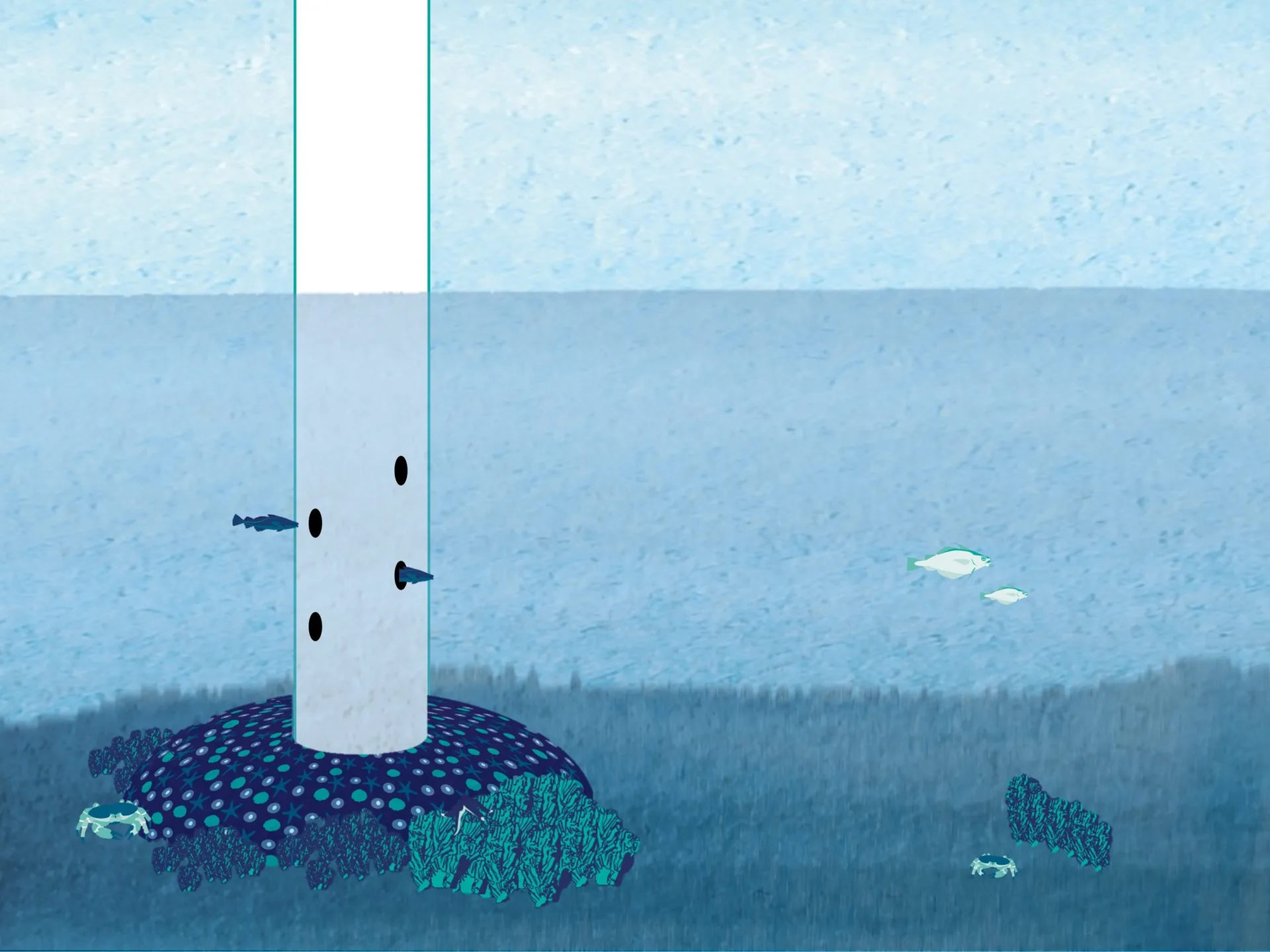
Illustration of a monopile with fish holes and scour protection on the seabed

How it works

Long-term underwater monitoring for research projects

Anemo Robotics underwater cameras record unbaited at reefs, structures and reference sites for months, by day and night, on a fixed monitoring protocol. You see natural behavior across seasons, not just one short drop.

AnemoHub is where you label a sample, train a model on your species and review the detections. It works with footage from any camera, and you export counts, MaxN and activity patterns for your own analysis.

Long-term field studies

Long-term field studies

Follow a site across seasons

Record unbaited, by day and night, for months

Record unbaited, by day and night, for months

Compare treatment and control sites

Compare treatment and control sites

Capture seasonal and nocturnal activity

Capture seasonal and nocturnal activity

Footage you already have

Footage you already have

Clear your video backlog

Analyze BRUV, ROV and drop camera footage

Analyze BRUV, ROV and drop camera footage

Train a model on your own species

Train a model on your own species

Review detections instead of every frame

Review detections instead of every frame

Grant proposals and consortia

Grant proposals and consortia

Write us into your proposal

Add cameras and analysis as a work package

Add cameras and analysis as a work package

Buy or rent cameras for a pilot season

Buy or rent cameras for a pilot season

Build a time series you can extend

Build a time series you can extend

Long-term unbaited video vs. short surveys

Long deployments add what short drops and diver counts miss, and work alongside the methods you already use.

Short surveys

With Anemo

Minutes to hours

A drop camera or dive shows one moment at one site.

Months of data

Each camera records on a set protocol for months, across seasons.

Bait in the frame

Bait attracts fish, which changes what the camera sees.

Natural behavior

Unbaited cameras record fish as they use the site.

Hours of video to watch

Manual annotation can take two to three hours per hour of footage.

Detections to review

AnemoHub finds the fish. You confirm the species.

Daytime snapshots

Surveys run in daylight and calm weather, so night activity goes unseen.

Day and night

Built-in lights record activity after dark and through rough weather.

Services

Ways to work with us

Marine life monitoring for research projects

Marine life monitoring for research projects

Underwater cameras and AI analysis for your study design, from a pilot season to a long time series. Anemo systems produce the visual data and detections. Your team does the science.

1. Scope

We plan sites, method and the monitoring protocol with you

1. Scope

We plan sites, method and the monitoring protocol with you

2. Deploy

Cameras are installed and serviced, with no divers needed

2. Deploy

Cameras are installed and serviced, with no divers needed

3. Analyze

AI detects and counts the fish across all the footage

4. Report

Counts, MaxN and clips export straight to your own analysis

AnemoHub

Start with an onboarding call and run your own footage. Label a sample, train a model on your species and review the results.

Cameras

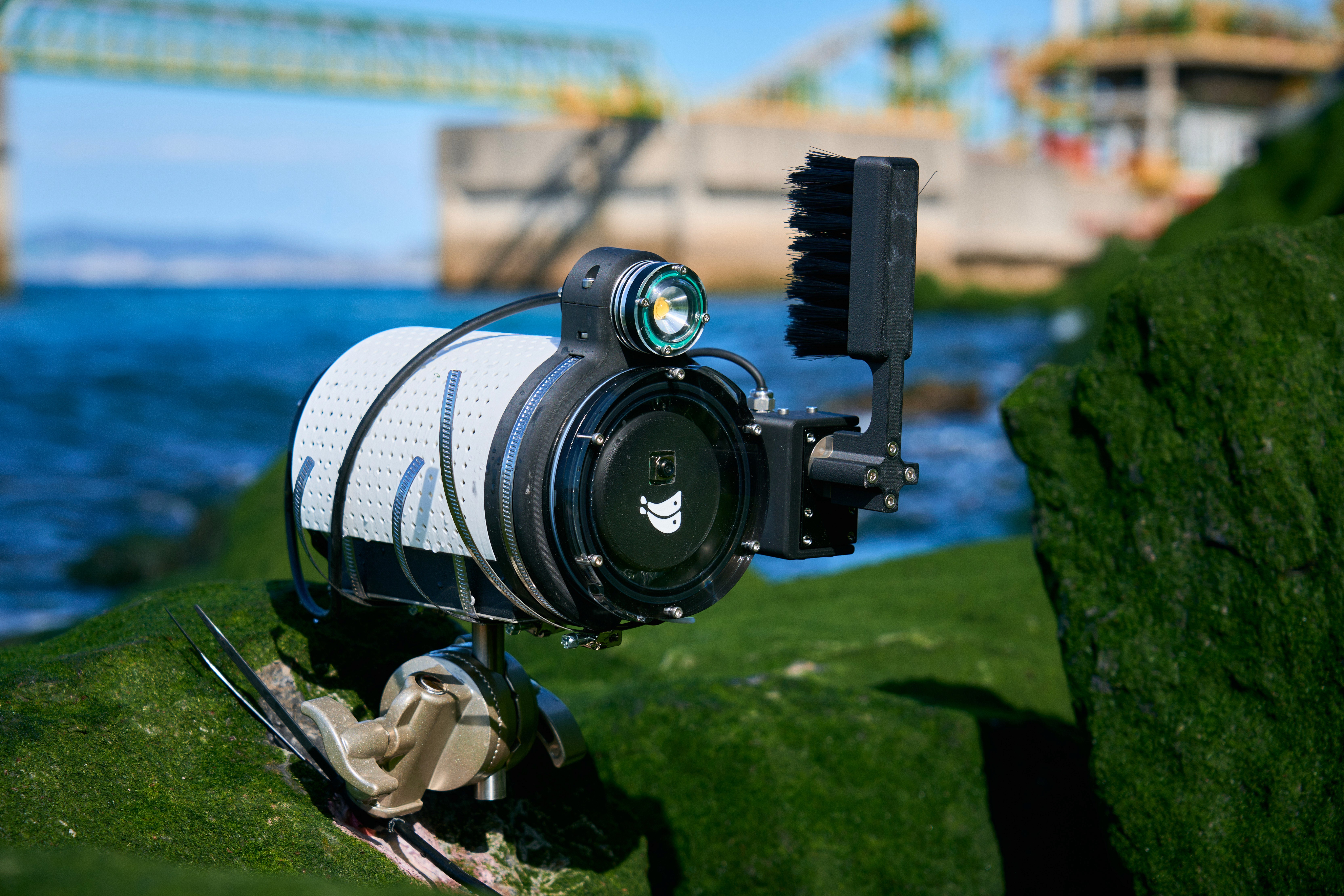
Buy or rent underwater cameras for a pilot season or a full study. AnemoCam runs on battery for months, and AnemoLive streams live over a cable.

Consortium partner

Join your grant proposal as a technical partner, with cameras and an analysis work package.

FAQ

Underwater video monitoring for marine research

Nejc Novak, Founder & CEO, Anemo Robotics
Ruben Duraes, Sales Lead, Anemo Robotics
Still unclear if Anemo Robotics is for you?

Talk it through with our team

How do you monitor fish on an artificial reef over a full year?

Deploy unbaited cameras on the reef and at control sites, and record clips on a fixed protocol. Battery cameras run about three months per deployment, so a full year takes a few service visits. AnemoHub then detects fish across the footage, so you can compare abundance, activity and species between sites and seasons.

What are the alternatives to BRUVs for monitoring fish?

Unbaited remote underwater video, diver counts, eDNA and trawls each answer different questions. Long-term unbaited cameras show behavior by day and night over months, while BRUVs remain useful for short comparative surveys. Many studies combine them.

How accurate is the AI?

It depends on the site, the species and the footage. We benchmark the AI on your own footage and report accuracy per species, so you can see where detections need human review. Every count links back to its clip.

How much footage do I need to label?

It depends on the species, the site and the footage. Accuracy grows as you add labelled examples, and we help you set up and check your first model.

Can underwater cameras record fish at night?

Yes. AnemoCam has built-in lights, 1,500 lumens as standard, and records clips by day and night on a set protocol, so nocturnal activity is part of your dataset.

Can AnemoHub analyze footage from other cameras?

Yes. Researchers already use AnemoHub for BRUV and ROV footage from other camera systems, as long as the image quality is suitable.

Who owns the footage, data and models?

You do. Footage, results and the models trained on your footage stay yours. AnemoHub stores them securely and doesn’t share them without your permission, and you can export everything to your own tools.

Can Anemo join a grant proposal?

Yes. Anemo can join as a technical partner with cameras and an analysis work package, or quote equipment and analysis to fit your proposal. Get in touch well before the submission deadline.

Bring continuous underwater data to your next research project

Tell us about your study and what you need to measure. We’ll show you how Anemo cameras and AnemoHub fit your research design.

Match the setup to your research questions

Run your existing footage through AnemoHub

Plan cameras and analysis into a grant proposal

Already have footage? Ask for a benchmark on your own data.

Trusted by marine innovators:

Copyright © 2026 Anemo Robotics ApS

Copyright © 2026 Anemo Robotics ApS

Copyright © 2026 Anemo Robotics ApS

Copyright © 2026 Anemo Robotics ApS